|
The following is the result of over 40 years of research. FYI
Bodyfat is not
inactive storage tissue as once thought. It filters toxins out of the
bloodstream (so they don't get into other places in the body), stores
macrophages (which are the "big guns" of the immune system and might
explain why many very fat people seem to have a very strong immunity),
produces small amounts of estrogen which at least one study suggested may
explain the fact that there is less senility in fat people (this also may
be because very overweight folks don't live as long as slimmer folks). Bodyfat
also protects and cushions the bones and organs.
Below are some of the theories of why there is so much widespread
obesity on a societal level in the United States (and the world!) today:
- The Thrifty gene: It is theorized that
people of certain heritage who had to work long hours but did not have
much food available, have a gene (or set of genes) called "the Thrifty
Gene", which enables them to work long hours but they require less food
than what would seem to be indicated by their caloric expenditure.
- Fast food: We are a busy society - most of
us work outside the home, in addition to caring for children, elderly
etc. Time is often short and fast food provides quick nutrition as
few of us have the time to cook for hours as did our ancestors. (Fast
food also is very tasty, as my hubby, a fast food afficionado, points
out)
- Less activity: Laboring jobs are being
increasingly done by machines - most of us have jobs in the 'information
society' , jobs which do not require much energy expenditure. Most of
our travel is done in cars and we have many labor saving devices (even
laundry is a whole lot easier with automatic washers and dryers). The Surgeon
General's Report of 1996 stated that Americans burn some 800
calories less than their parents did!
For example, when my mother did the laundry in the
late 1940's - early 1950's, she toted it down the stairs to the basement
where the wringer washer was, filled the tub of the washer, with wash
water and soap and dirty laundry, washed it for a while (had to time
it), then arduously put it through the wringer and put it into a sink
filled with rinse water, put the next load of laundry into the washer,
put the rinsing laundry through the wringer and into a basket.
While the second load was washing (or rinsing), she lugged the basket of
wet laundry up the stairs and hung it out on the line. Then she
went down to the basement and repeated the process (for several loads).
Imagine the caloric expenditure involved compared to how we do laundry
today - stick it into the automatic washer, pull it out when done and
put it into the dryer. Another thing... wash hung on the line,
required ironing. My mother ironed everything and when she got a
"mangle" (ironer), it made her life a lot easier because in those days,
even sheets and towels which came off the line, stiff, had to be ironed.
- The American Attitudes - we often center social affairs around eating (and it's
never veggies that they serve either, unless they are swimming in butter
or sauce). In fact, most folks do not like veggies all that much.
- Food addiction: Studies indicate
that people who tend to become addicted to various substances have less
dopamine receptors in the brain. There is also some evidence that eating
(or drinking or drugs or whatever) tends to cause some people to produce
endorphins, a natural form of heroine which is an excellent pain killer
among other things. With the ready availability of chemically
engineered, delicious food, food addiction is likely to be a factor in
some people, especially in some of the very obese, like that folks who
appear on the "TLC" show, "My 600 lb life".
- Pituitary issues: This gland is a tiny gland
which sits at the base of the brain. Damage to the pituitary gland
can cause obesity in folks who do not overeat. For example 60% of
those who had tonsillectomies in the 1950's and 1960's, sustained damage
to the pituitary gland which damaged their metabolisms, regardless of
level of activity, and caused weight gain. I am one of those folks who
started packing on the pounds right after my tonsillectomy, though,
feeling better, I was more active than I was before that surgery.
Brain trauma can also cause damage to the pituitary gland.
- Lifestyle: The PIMA Paradox.... The Pima Native Americans in
the USA are not only one of the most obese societies but also have high
rates of diabetes etc. And among, their direct relatives (with the
same genetics), the Pima's of Mexico. where the people have no cars, run
everywhere, have active physical recreations, have no labor saving devices
and eat a simple diet with very little meat and mostly complex carbs,
there is an extremely low incidence of heart disease in
addition little to no, extreme obesity. (And one of the
explorers in Arizona, described the Pima Native Americans seen in the
turn of the 20th century, as "thin and sinewy").
We have a diet industry which makes billions of bucks offering "easy
solutions" to obesity, including surgery, none of which "work" on the long
term, because unless a person figures out what his/her metabolism requires
and eats accordingly, they will always gain back the weight lost.
There is some evidence that "weight cycling" (gaining and losing and
regaining) can pose health hazards.
Weight loss surgery is based on an old premise that the appetite is
controlled by the stomach and/or fullness thereof. We now know the
appetite centers are in the brain which is why "the cravings" don't go
away, even after the very invasive surgery. Want more info on weight
loss surgery - visit
here.
Click on link...
Bottom line - there is good information on weight loss and weight loss
maintenance on the Internet but you likely will NOT hear it from your
medical provider. I have kept off 100 lbs for 7 years now, by
counting my calories every day. Additionally I do follow a low fat
nutritional program (as it is more heart healthy) and exercise cardio (for
my heart), 6 days a week. This has paid off... at the age of 73, I
have a strong healthy heart! But as even Dr Atkins admitted in his
last book on the "low carb" diet, it's strictly caloric intake which
determines weight gain, weight loss or maintenance.
by Sue Joan
Tips for weight control:
1. Great web calorie counter -
My Fitness Pal
and here you log everything you eat - it's easy and fast and there is a
great "app" for iPhones and Samsung smart phones that you can download.
Today counting calories is very quick and easy.
2. If confronted with a delicious food which is very caloric, take one
bite and savor it. As has been pointed out, the first bite tastes
the best and following bites do not taste near as good, but most of us eat
too fast to notice that.
3. Fill up on veggies (but without butter or sauce). Veggies are
very good for you and also give you a full but not overly full feeling.
Let's face it, when we overeat, it's never on veggies!
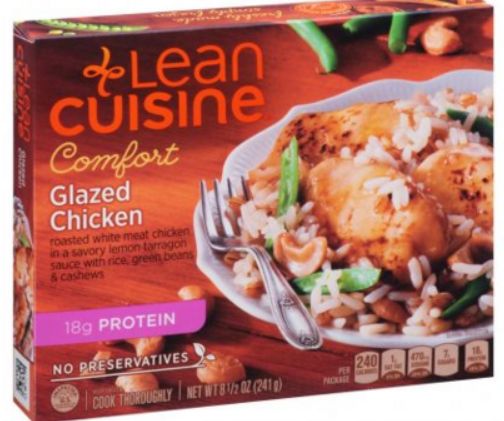
4. There are ways to have convenient food without doing "fast food".
"Lean cuisine" (and the like) frozen dinners, take seconds to warm up in
the microwave oven and provide good nutrition without large amounts of
calories.
Bibliography:
The following is additional information on Obesity research
and Weight Loss Surgery in them:
|